September 11, 2001, marked a turning point in contemporary history. The attacks that day in New York, Washington, and Pennsylvania claimed nearly three thousand lives and transformed U.S. foreign policy. Weeks later, Washington launched military operations in Afghanistan—a war intended to be limited and swift, yet one that evolved into the longest war in American history. Today, twenty-five years later, it is essential to revisit the stated objectives, Washington’s strategic errors, and the resulting humanitarian and security consequences.
From September 11 to the War in Afghanistan
The United States quickly attributed the attacks to Al-Qaeda, and the George W. Bush administration announced its intention to target the perpetrators and those harboring them. Afghanistan became the focus of Washington’s attention due to the presence of Osama bin Laden. The U.S. demanded that the Islamic Emirate hand over Al-Qaeda leaders and dismantle the network's operational capabilities. When these demands were not met, military operations commenced on October 7, 2001. The stated objectives were to destroy Al-Qaeda, eliminate terrorist safe havens, and overthrow the Islamic Emirate.
Stated U.S. Objectives
Combating terrorism was the primary official justification. However, the mission gradually expanded to include establishing a new political structure, training security forces, addressing insecurity, rebuilding institutions, and fostering economic development. The conflict shifted from a counter-terrorism operation into a protracted state-building project. This shift contributed to the war's complexity and prolongation, ultimately obscuring the initial objectives.
U.S. Errors and Controversial Actions Post-9/11
1. Diverting the War to Iraq: In 2003, Washington invaded Iraq citing the alleged possession of weapons of mass destruction; A claim that was later proven false. This diversion of resources, attention, and manpower drew focus away from Afghanistan. Many analysts consider the invasion of Iraq to be the United States' greatest strategic blunder of the post-9/11 era.
2. Torture and secret prisons: The U.S. established extrajudicial detention centers—such as Guantanamo Bay and Abu Ghraib—as well as secret CIA prisons. According to reports by human rights organizations and leaked documents, methods including waterboarding, sleep deprivation, beatings, and sexual abuse were employed against detainees in these facilities. The policy of "extraordinary rendition" also involved transferring detainees to other countries without trial. These actions became symbols of violations against human rights and international law.
3. Civilian casualties: Airstrikes, night raids, drone strikes, and special forces operations frequently resulted in civilian deaths. The attack on a wedding party in Uruzgan, the 2015 strike on the Doctors Without Borders hospital in Kunduz, and dozens of drone attacks stand out as notorious instances of violations of international humanitarian law. Many of these incidents were never subjected to independent or transparent investigations.
4. Support for warlords and corruption: To advance its military objectives, the U.S. empowered warlords and local commanders with authority and resources. This policy fueled corruption, lawlessness, and the weakening of state institutions. Although many of these figures were accused of human rights violations, they continued to receive foreign backing for years. The result was widespread public distrust in the government and security institutions.
5. Anti-narcotics policy: Poppy eradication programs undermined the livelihoods of impoverished farmers and, in some instances, drove them toward armed groups. Simultaneously, corruption within security and government institutions hampered counter-narcotics efforts, at times turning the trade into a lucrative venture for certain officials. These policies not only failed to eradicate narcotics but also exacerbated insecurity and poverty.
6. Expansion of security surveillance and Islamophobia: Following 9/11, legislation such as the USA PATRIOT Act vastly expanded the U.S. government's authority regarding wiretapping, internet tracking, and the collection of citizen data. Later, Edward Snowden’s 2013 revelations exposed that the National Security Agency (NSA) had been conducting extensive data collection programs and even spying on the leaders of certain nations. Furthermore, in 2017, the U.S. government implemented a ban on entry for nationals from several predominantly Muslim countries—a policy that fueled Islamophobia and tarnished America's image across the Muslim world.
7. Lack of accountability among high-ranking officials: No senior U.S. officials were prosecuted for torture, civilian casualties, or strategic blunders. According to human rights organizations, this lack of accountability fostered a culture of impunity and eroded confidence in international justice.
Dimensions of military presence and costs
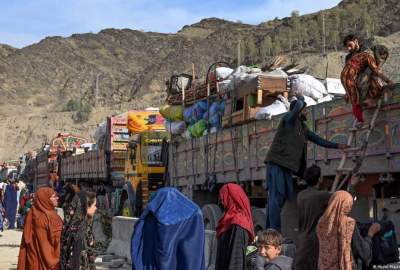
At the peak of the deployment, approximately 100,000 U.S. troops and over 40,000 NATO troops were stationed in Afghanistan. More than 2,400 U.S. soldiers and 1,100 allied troops lost their lives. The cost of the war in Afghanistan and Pakistan for the United States is estimated at approximately $2.3 trillion. The Costs of War project at Brown University estimates the direct death toll at approximately 243,000, while at least 5.9 million Afghans had been displaced by August 2021. Environmental damage, landmines, and the destruction of infrastructure have also been severe; United Nations reports have identified Afghanistan as one of the most landmine-contaminated countries in the world. These costs were incurred alongside the fact that many American soldiers returned with long-term psychological and physical injuries, and the U.S. healthcare system grappled with the consequences for years.