Sofia Hamidi – September 11, 2001, was an event that altered the global security and political landscape, placing Afghanistan once again at the center of attention for major powers. The ensuing years of war and foreign intervention marked yet another chapter of suffering for the Afghan people. These developments demonstrated that Afghanistan’s destiny has been shaped not only by internal disputes but, at various times, by the rivalries and decisions of foreign powers.
Afghan Voice Agency (AVA) – International Service: A society progresses when individuals strive for a future they may not live to see—much like an elderly man planting a tree knowing he might never taste its fruit. A society flourishes when its leaders make decisions for the future of the people and the country, rather than acting solely to gain power or secure personal interests.
Unity and solidarity between leaders and the populace form a fundamental pillar of any nation's stability. Yet, in the early 1990s (the early 1370s in the Solar Hijri calendar), instead of capitalizing on the end of one era of war to embrace a peaceful life, Afghanistan plunged into a new phase of conflict. Civil wars following the collapse of the communist regime in 1992 engulfed Kabul and many other regions, inflicting severe consequences on the population.
People who had hoped for peace instead saw their aspirations give way to one of the bitterest periods in Afghanistan's contemporary history. Political and military rifts eroded trust and solidarity, leading to widespread bloodshed, destruction, displacement, and homelessness.
In such a context, the fundamental question arises: why did the war begin, and why did disputes escalate into violence rather than being resolved through dialogue and agreement? Many Afghans still believe that part of this tragedy stemmed from political interests and power struggles taking precedence over the welfare of the people and the country's future.
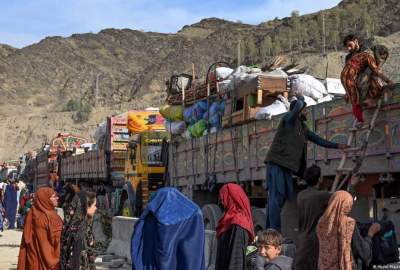
War destroys more than just buildings and infrastructure; it shatters trust, hope, and human futures. Throughout the years of conflict, thousands of children lost a parent, thousands of women were widowed, and countless families lost loved ones. Many people were also forced to abandon their homes and homelands, embarking on the arduous path of migration and seeking refuge elsewhere.
The consequences of the war were not confined to a single generation. Children who should have been in school faced poverty, displacement, and the harsh realities of survival. Young people—who could have been the driving force behind the country's reconstruction—spent their formative years in the shadow of war and insecurity. Homes, cities, villages, and even the natural environment suffered damage, while countless opportunities for development and progress were lost.
Then came September 11, 2001—an event that altered the global security and political landscape, placing Afghanistan once again at the center of attention for major powers. The ensuing years of war and foreign intervention ushered in yet another chapter of suffering for the Afghan people. These events demonstrated that Afghanistan’s destiny has been shaped not only by internal discord but, at various times, by the rivalries and decisions of foreign powers.
Now, after decades of conflict, the question remains: how long must the people of Afghanistan pay the price for internal strife and external rivalries? How long must mothers worry about their children, and how long must children—instead of holding books and pens—confront the consequences of poverty, displacement, and war?
The people of Afghanistan did not start the war, yet they have paid the heaviest price for it. Time and again, they have witnessed their homes burn, their cities destroyed, their loved ones lost, and their dreams shattered. Yet, the people’s silence has not always stemmed from a lack of courage; sometimes, suffering runs so deep that it defies expression.
Nevertheless, amidst all this bitterness, hope endures. The people of Afghanistan continue to yearn for peace, justice, unity, and a tranquil life. They want their children to go to school with enthusiasm, their youth to have a bright future, and their families to live free from fear and anxiety.
From the perspective of an Afghan girl, perhaps the hardest part of this story is that the younger generation has been forced to pay the price for the mistakes of the past. Children who ought to be dreaming of growing up and building a future have, at times, faced such harsh realities that growing up has become a source of anxiety rather than a cherished dream.